ECO-HYDROGENE Technical Service Process for Hydrogen Electrolysers

An In-depth Exploration of the Mechanisms and Applications of Electrolysis

What is an Electrolyser?

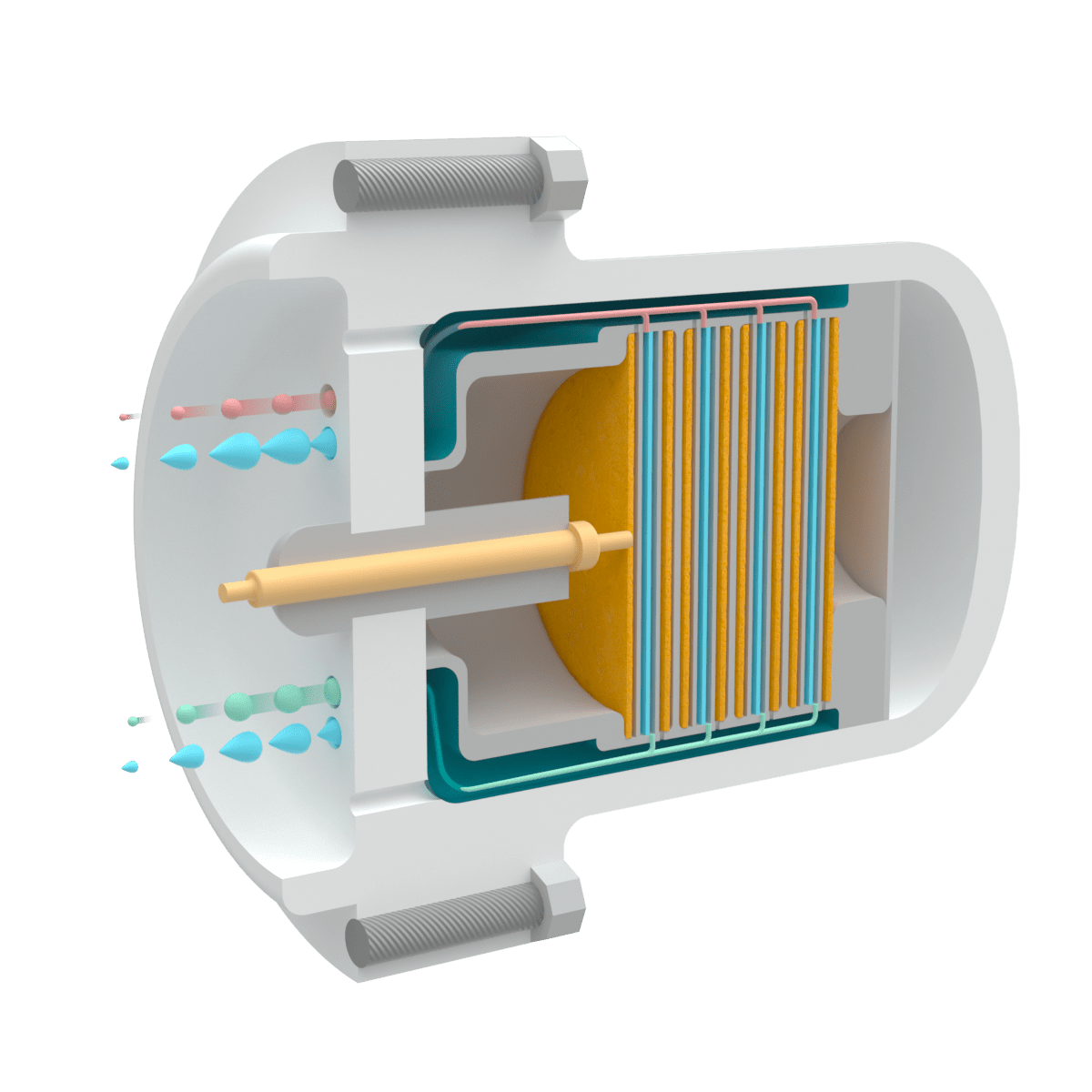
An electrolyser is a crucial apparatus employed in the process of electrolysis, a technique utilizing electrical energy to induce a non-spontaneous chemical reaction. This device is primarily utilized to decompose water into its fundamental elements—hydrogen and oxygen. Electrolysers are instrumental in generating hydrogen gas, serving as a clean and sustainable energy carrier essential to various industrial processes and the burgeoning hydrogen economy.

Types of Electrolysers

There are several types of electrolysers, each with distinct characteristics and applications:

  • Alkaline Electrolysers: These are the most established and widely used. They employ a liquid alkaline electrolyte, such as potassium hydroxide, and operate at low temperatures.
  • Proton Exchange Membrane (PEM) Electrolysers: These utilize a solid polymer electrolyte and are renowned for their efficiency and rapid response times, albeit at higher costs due to the use of precious metals as catalysts.
  • Solid Oxide Electrolysers (SOE): These operate at high temperatures and can achieve high efficiencies. They remain in the developmental and early market phases.
How Does an Electrolyser Work?

The operational principle of an electrolyser centers around the process of electrolysis. The following is a detailed breakdown of its functioning:

Basic Components

An electrolyser typically comprises the following components:

  • Anode: The positive electrode where oxidation occurs.
  • Cathode: The negative electrode where reduction occurs.
  • Electrolyte: A medium that permits the flow of ions while inhibiting the passage of electrons, thus facilitating the chemical reaction.
  • Power Supply: Provides the requisite electrical energy to drive the electrolysis process.

Electrolysis Process

  • Step 1: The power supply applies a direct current (DC) voltage across the anode and cathode.
  • Step 2: Water molecules (H2O) are introduced into the electrolyser.
  • Step 3: At the anode, water molecules lose electrons (oxidation) to form oxygen gas (O2) and positively charged hydrogen ions (H+).
  • Step 4: The hydrogen ions traverse the electrolyte towards the cathode.
  • Step 5: At the cathode, hydrogen ions gain electrons (reduction) to form hydrogen gas (H2).

Chemical Reactions

The overall chemical reaction for the electrolysis of water can be represented as:

2H2O(l) → 2H2(g) + O2(g)

This reaction encompasses the following half-reactions:

  • Anode Reaction (Oxidation): 2H2O(l) → O2(g) + 4H+(aq) + 4e-
  • Cathode Reaction (Reduction): 4H+(aq) + 4e- → 2H2(g)
Applications of Electrolysers

Electrolysers have a broad spectrum of applications across various industries:

  • Hydrogen Production: Utilized for generating hydrogen gas for fuel cells, industrial processes, and as an energy carrier.
  • Power-to-Gas: Conversion of surplus renewable electricity into hydrogen, which can be stored and subsequently utilized for power generation or as a feedstock for chemical processes.
  • Metal Refining: Electrolysis is employed to purify metals such as aluminum, copper, and zinc.
  • Chlor-alkali Industry: Utilized to produce chlorine and sodium hydroxide from brine solutions.
Future Prospects

With the increasing emphasis on renewable energy and decarbonization, electrolysers are poised to play a pivotal role in the global energy transition. Advancements in technology, reduction in costs, and scaling up of electrolyser capacities are key factors that will drive the widespread adoption of this technology.

In conclusion, electrolysers are invaluable devices that not only facilitate sustainable hydrogen production but also support various industrial processes, paving the way for a greener and more sustainable future.